
Multi-Agent System ภาษาไทย — สอนสร้างทีม Agent ทำงานร่วมกัน
ถ้าคุณเคยลองสร้าง AI Agent มาแล้วสักตัว แล้วรู้สึกว่า "มันก็โอเคนะ แต่ทำไมรู้สึกว่ายังทำได้ไม่มากพอ" — นั่นแหละคือสัญญาณว่าคุณน่าจะเริ่มคิดถึง Multi-Agent System
ถ้าคุณเคยลองสร้าง AI Agent มาแล้วสักตัว แล้วรู้สึกว่า "มันก็โอเคนะ แต่ทำไมรู้สึกว่ายังทำได้ไม่มากพอ" — นั่นแหละคือสัญญาณว่าคุณน่าจะเริ่มคิดถึง Multi-Agent System
ปี 2026 งานที่ซับซ้อนระดับองค์กร ไม่ว่าจะเป็นการวิจัยตลาด วิเคราะห์ codebase ขนาดใหญ่ หรือ orchestrate workflow หลายร้อย step — ไม่มีทางทำด้วย Agent เดี่ยวได้อย่างมีประสิทธิภาพ
บทความนี้จะอธิบายตั้งแต่แนวคิดพื้นฐาน ไปจนถึง pseudocode จริง พร้อม framework ที่ใช้ได้เลยในปี 2026
1. Multi-Agent System คืออะไร — ทำไม 1 Agent ไม่พอ?
Multi-Agent System (MAS) คือระบบที่ประกอบด้วย AI Agent หลายตัวทำงานร่วมกัน โดยแต่ละตัวมี role, เครื่องมือ (tools) และ context ของตัวเอง และสามารถสื่อสาร ส่งต่องาน และตรวจสอบผลงานกันได้
ก่อนจะไปถึงตรงนั้น ลองเข้าใจก่อนว่าทำไม Agent เดี่ยว (single agent) ถึงมีข้อจำกัด:
ปัญหาของ Single Agent
Context Window จำกัด — ถ้างานต้องอ่าน document 200 หน้าพร้อมกัน วิเคราะห์ และเขียนสรุป Agent เดี่ยวอาจล้น context หรือสับสนกับ task ที่ซับซ้อนเกินไป
ทำได้หลายอย่างแต่ไม่เก่งอะไรสักอย่าง — Agent ที่ต้องทั้งหา ข้อมูล วิเคราะห์ และเขียน report มักทำได้ "พอใช้" ทุกอย่าง แต่ไม่ได้เก่งจริงในสิ่งใดสิ่งหนึ่ง
Parallel Processing ไม่ได้ — ถ้าต้องวิเคราะห์หุ้น 50 ตัวพร้อมกัน Agent เดี่ยวต้องทำทีละตัว ใช้เวลานานมาก
Error Recovery ยาก — ถ้าทำงานผิดพลาดระหว่างกลาง ต้องเริ่มใหม่ทั้งหมด
ลองนึกถึง analogy นี้:
Single Agent เหมือนพนักงานคนเดียวที่ต้องทำทั้ง research, วิเคราะห์ข้อมูล, เขียน report และ review งานตัวเอง — ผลออกมาก็ได้ แต่ช้าและ error เยอะ
Multi-Agent System เหมือนทีมงานจริงๆ ที่มี researcher, analyst, writer และ editor แต่ละคนเชี่ยวชาญงานของตัวเอง ทำงานพร้อมกัน และ review งานกัน
2. Architecture ของ Multi-Agent System
ก่อนลงมือสร้าง ต้องเข้าใจ pattern หลักๆ ที่ใช้กัน:
Orchestrator-Worker Pattern
Pattern พื้นฐานที่สุดและใช้บ่อยที่สุด
[Orchestrator Agent]
      ↓ แจกงาน
 ┌────┴────┐
[Worker A] [Worker B] [Worker C]
(Research) (Analysis) (Writing)
      ↓ ส่งผลกลับ
[Orchestrator] → รวมผล → Output สุดท้าย
- Orchestrator — รับ goal ใหญ่ แล้วแตกเป็น subtask ส่งให้ Worker
- Worker — รับ subtask เฉพาะทาง ทำงาน แล้วส่งผลกลับ
Supervisor Pattern
มี Supervisor คอยตรวจสอบ Worker และตัดสินใจว่า output โอเคหรือต้องทำใหม่
[Supervisor]
   ↓ assign     ↑ review & approve
[Worker A] → [Worker B] → [Worker C]
เหมาะกับงานที่ต้องการ quality control สูง เช่น code generation หรือ content writing
Reflective Pattern
Agent ตรวจสอบงานตัวเองก่อนส่งออก มีวงจร generate → critique → refine
[Generator Agent] → draft
       ↓
[Critic Agent] → feedback
       ↓
[Generator Agent] → refined output
       ↓ (ถ้ายังไม่ผ่าน → วนซ้ำ)
[Final Output]
Pipeline Pattern (Sequential)
Agent ทำงานต่อกันเป็น chain แต่ละตัว transform output ของตัวก่อนหน้า
[Input] → [Agent 1: Clean Data] → [Agent 2: Analyze] → [Agent 3: Format] → [Output]
เหมาะกับ ETL, document processing, หรืองานที่แต่ละ step ต้องอาศัยผลจาก step ก่อน
3. Framework แนะนำสำหรับ Multi-Agent System
LangGraph (LangChain)
เหมาะกับ: Developer ที่ใช้ Python และต้องการ control graph execution แบบละเอียด
LangGraph มองระบบเป็น directed graph ที่ node คือ Agent และ edge คือการส่งต่อข้อมูล รองรับ conditional routing, loop, และ parallel execution
จุดเด่น:
- Stateful — บันทึก state ข้าม step ได้
- Visual graph editor
- รองรับ human-in-the-loop (pause รอ human approve ก่อนดำเนินต่อ)
- Production-ready ใช้งานจริงได้
จุดด้อย:
- Boilerplate code เยอะสำหรับงานง่ายๆ
- Learning curve สูงกว่า framework อื่น
AutoGen (Microsoft)
เหมาะกับ: งานที่ Agent ต้องสนทนา debate และ iterate กันเพื่อหาคำตอบ
AutoGen ออกแบบมาให้ Agent หลายตัว "คุยกัน" และสามารถเขียน + รัน code ได้จริงใน sandbox
จุดเด่น:
- Agent สนทนากันได้อย่างเป็นธรรมชาติ
- Built-in code execution
- GroupChat สำหรับ multi-agent conversation
จุดด้อย:
- Cost สูงถ้าให้ Agent คุยกันนานเกินไป (ต้องตั้ง max_turns)
- Loop ได้ถ้าไม่ตั้ง termination condition ให้ดี
CrewAI
เหมาะกับ: ทีมที่ต้องการ setup เร็ว โดยไม่ต้องเขียน graph ด้วยมือ
CrewAI ใช้ metaphor ของ "ทีมงาน" — แต่ละ Agent มี role ชัดเจน (Researcher, Analyst, Writer) และ Task ถูก assign ให้ตาม role
จุดเด่น:
- Setup ง่ายที่สุดในบรรดา framework เหล่านี้
- Role-based ทำให้ออกแบบทีมได้ intuitive
- Document ดี ตัวอย่างเยอะ
จุดด้อย:
- Control ละเอียดได้น้อยกว่า LangGraph
- ยังเป็น abstraction สูง ถ้าต้องการ customize มาก
Claude Agent SDK + Sub-agents
เหมาะกับ: Developer ที่ใช้ Claude เป็น backbone และต้องการ native multi-agent support
Anthropic ออกแบบ Claude Agent SDK ให้รองรับ multi-agent ตั้งแต่ต้น — Orchestrator สามารถ spawn Sub-agent และ pass context ได้โดยตรง
จุดเด่น:
- Native integration กับ Claude models
- Managed execution environment
- Context window ใหญ่ (200K tokens) ช่วยลดปัญหา context overflow
- Sub-agent isolation — แต่ละ agent มี context แยกกัน
จุดด้อย:
- Lock-in กับ Anthropic ecosystem
- Cost สูงถ้า spawn หลาย sub-agent พร้อมกัน
เปรียบเทียบ Framework แบบสั้น
| Framework | เหมาะกับ | Language | Difficulty |
|---|---|---|---|
| LangGraph | Complex graph workflows | Python | สูง |
| AutoGen | Agent debate / code gen | Python | กลาง |
| CrewAI | Role-based teams | Python | ต่ำ |
| Claude Agent SDK | Claude-native multi-agent | Python/TypeScript | กลาง |
คำแนะนำ: ถ้าเพิ่งเริ่ม ให้ลอง CrewAI ก่อน เพราะ syntax อ่านง่าย setup เร็ว และมี example เยอะ เมื่อเข้าใจ concept แล้วค่อย migrate ไป LangGraph ถ้าต้องการ control ละเอียดขึ้น
ดูรายละเอียดเปรียบเทียบ framework เพิ่มเติมได้ที่ OpenAI Agents vs Claude Agent SDK
4. ตัวอย่างจริง: Research Team
นี่คือตัวอย่างที่ใช้บ่อยที่สุด — Research Team ที่ประกอบด้วย 3 Agent:
| Agent | Role | Tools |
|---|---|---|
| Searcher | หาข้อมูลจากหลายแหล่ง | web_search, read_url |
| Analyst | วิเคราะห์และสรุปข้อมูล | data_analysis, calculator |
| Writer | เขียน report ฉบับสมบูรณ์ | file_write, format_markdown |
Flow การทำงาน:
- User ส่ง goal: "วิเคราะห์ตลาด EV ไทยปี 2026"
- Orchestrator แตก goal เป็น subtask และ assign ให้ Searcher
- Searcher หาข้อมูลจาก 10+ แหล่ง ส่งผลให้ Analyst
- Analyst วิเคราะห์ข้อมูล สรุป key insights ส่งให้ Writer
- Writer เขียน report 2,000 คำ พร้อม chart recommendations
- Orchestrator ตรวจสอบ output สุดท้าย ส่งกลับ User
5. Pseudocode Walkthrough
ต่อไปนี้คือ pseudocode แบบ conceptual สำหรับ Research Team ด้วย pattern ที่ทำงานได้จริง:
# นิยาม Agent แต่ละตัว
searcher = Agent(
    name="Searcher",
    role="Research specialist",
    tools=[web_search, read_url, extract_content],
    instructions="""
        คุณคือ research specialist
        เมื่อได้รับ topic ให้หาข้อมูลจากอย่างน้อย 5 แหล่ง
        ส่งผลเป็น structured data พร้อม source citation
    """
)

analyst = Agent(
    name="Analyst",
    role="Data analyst",
    tools=[calculate, compare, summarize],
    instructions="""
        คุณคือ data analyst
        รับ raw research data และสรุปเป็น key insights
        ระบุ trend, opportunity และ risk ที่สำคัญ
    """
)

writer = Agent(
    name="Writer",
    role="Content writer",
    tools=[write_file, format_markdown],
    instructions="""
        คุณคือ content writer ที่เชี่ยวชาญ report
        รับ insights และเขียนเป็น report ที่อ่านง่าย
        ใช้ภาษาไทยสำหรับ audience ไทย
    """
)

# Orchestrator ควบคุม flow
orchestrator = Agent(
    name="Orchestrator",
    role="Project manager",
    instructions="แตก goal เป็น subtask และ coordinate ทีม"
)

# Pipeline execution
def run_research_team(goal: str) -> str:
    # Step 1: Searcher หาข้อมูล
    research_data = searcher.run(
        task=f"หาข้อมูลเกี่ยวกับ: {goal}"
    )

    # Step 2: Analyst วิเคราะห์ (รับผลจาก Searcher)
    insights = analyst.run(
        task="วิเคราะห์ข้อมูลต่อไปนี้",
        context=research_data
    )

    # Step 3: Writer เขียน report (รับผลจาก Analyst)
    report = writer.run(
        task="เขียน report จาก insights",
        context=insights
    )

    return report

# ใช้งาน
result = run_research_team("ตลาด EV ไทยปี 2026")
ข้อสังเกตสำคัญ:
- แต่ละ Agent มี
instructionsที่ชัดเจนในบทบาทของตัวเอง - Context ถูกส่งต่อเป็น explicit parameter ไม่ใช่แชร์ global state
- Orchestrator ทำหน้าที่ break task และ coordinate ไม่ใช่ทำงานเอง
ทำไม Research Team ถึงเป็น pattern ที่ดีในการเริ่มต้น?
เพราะมัน map กับความเข้าใจ intuitive ของมนุษย์ — เราเข้าใจว่า researcher, analyst และ writer มีหน้าที่ต่างกัน ทำให้ออกแบบ instructions และ debug ง่ายกว่า pattern ที่ abstract มากกว่า
นอกจากนี้ pipeline ของ Research Team ยังเป็นแบบ sequential ที่ไม่ซับซ้อน ไม่มี loop ไม่มี conditional routing ทำให้เหมาะมากสำหรับการเรียนรู้ก่อนจะไป pattern ที่ซับซ้อนกว่า
เมื่อ Research Team ทำงานได้ดีแล้ว ลองเพิ่ม Fact-checker Agent ที่คอยตรวจสอบข้อมูลที่ Searcher หามา ก่อนส่งให้ Analyst — นี่คือจุดที่คุณจะเริ่มเห็นพลังของ Multi-Agent System อย่างชัดเจน
6. ปัญหาที่เจอบ่อย (และวิธีแก้)
ปัญหา 1: Cost พุ่ง
อาการ: ค่า API สูงมาก ทั้งที่งานไม่ซับซ้อน
สาเหตุ: Agent ส่ง context ทั้งหมดต่อกัน ทำให้ token สะสมในแต่ละ step
วิธีแก้:
- ให้ Analyst สรุป context ก่อนส่งต่อ ไม่ต้องส่ง raw data ทั้งหมด
- ใช้ model เล็กกว่าสำหรับ Worker (เช่น Haiku/GPT-4o-mini) เก็บ model ใหญ่ไว้ที่ Orchestrator
- ตั้ง
max_tokensให้แต่ละ Agent
ปัญหา 2: Agent วน Loop ไม่จบ
อาการ: Agent คุยกันวนเวียน ไม่ได้ output หรือ timeout
สาเหตุ: ไม่มี termination condition หรือ instructions ไม่ชัดเจนพอ
วิธีแก้:
- กำหนด
max_iterationsให้ชัดเจน (เช่น สูงสุด 5 รอบ) - เพิ่ม exit condition ใน instructions: "ถ้าเสร็จแล้วให้ส่งคืน DONE"
- ใช้ Supervisor คอยตรวจสอบและบังคับหยุดถ้าเกิน limit
ปัญหา 3: Agent ทำงานซ้ำกัน
อาการ: Worker สองตัวทำงานเดียวกัน output ซ้ำซ้อน
สาเหตุ: Role definition ไม่ชัด หรือ Orchestrator แจกงานผิด
วิธีแก้:
- เขียน role และ responsibility ใน instructions ให้ชัดมาก
- เพิ่ม "คุณรับผิดชอบเฉพาะ X เท่านั้น ไม่ใช่ Y"
- ใส่ output format ที่ Orchestrator ตรวจสอบได้ง่าย
ปัญหา 4: Context ไม่สอดคล้องกัน
อาการ: Writer ใช้ข้อมูลที่ไม่ตรงกับที่ Analyst วิเคราะห์
สาเหตุ: แต่ละ Agent เข้าถึง context คนละชุด
วิธีแก้:
- ใช้ shared state object ที่ทุก Agent อ่านได้
- Pass output ของ step ก่อนหน้าเป็น explicit context
- ใส่ "source of truth" ที่ชัดเจนใน state
7. Use Case จริงในปี 2026
Code Review Team
[PR Submitted]
      ↓
[Security Scanner Agent] → ตรวจ vulnerability
[Style Checker Agent]    → ตรวจ coding standard
[Logic Reviewer Agent]   → ตรวจ business logic
      ↓
[Summary Agent] → รวม review ทั้งหมดเป็น PR comment
บริษัท engineering ใช้ pattern นี้ลด time-to-review จาก 2-3 วัน เหลือ 15 นาที
Competitive Research Team
[Orchestrator] รับชื่อ competitor
      ↓
[Web Scraper Agent]     → ดึงข้อมูลราคา feature จากเว็บ
[Social Monitor Agent]  → วิเคราะห์ sentiment จาก social media
[Patent Watcher Agent]  → ตรวจ patent filing ใหม่
      ↓
[Intelligence Report Agent] → สรุปเป็น competitive brief รายสัปดาห์
Customer Journey Automation
[Trigger: New Lead Sign Up]
      ↓
[Qualifier Agent]    → วิเคราะห์ lead profile และ intent
      ↓ (ถ้า high-intent)
[Personalizer Agent] → สร้าง personalized welcome sequence
      ↓
[Scheduler Agent]    → นัด demo call ตาม calendar availability
      ↓
[CRM Updater Agent]  → บันทึกทุก interaction ใน CRM
Pattern นี้ใช้ทดแทน manual sales process ได้ดีมากสำหรับ B2B SaaS
8. Future of Multi-Agent ปี 2026-2027
Trend ที่เห็นชัดปี 2026
Agent-to-Agent Protocol (A2A) — Google ประกาศ A2A Protocol ที่ให้ Agent จากคนละบริษัท/platform คุยกันได้ เหมือน HTTP สำหรับ web — ถ้า standard นี้ติดตลาด จะเปลี่ยน landscape ของ enterprise automation อย่างมาก
Persistent Agent Memory — Agent ที่จำประวัติการทำงานข้าม session ได้ ทำให้ multi-agent system "เรียนรู้" workflow ขององค์กรได้เองโดยไม่ต้อง reprogram
Specialized Agent Marketplace — เหมือน App Store แต่สำหรับ Agent ที่เชี่ยวชาญงานเฉพาะทาง (เช่น Agent สำหรับวิเคราะห์ภาษีไทย) Orchestrator ซื้อและใช้งานได้ทันที
ที่น่าจับตาในปี 2027
Multi-modal Agents — Agent ที่ทำงานข้ามรูปแบบข้อมูล ทั้ง text, image, audio, video ในระบบเดียว จะทำให้ use case เปิดกว้างขึ้นมาก
Self-organizing Teams — Orchestrator ที่สามารถสร้าง Worker Agent ใหม่เองได้ตาม task ที่ได้รับ แทนที่จะต้องกำหนด team structure ตายตัวล่วงหน้า
ถ้าสนใจ ดูภาพรวม Agentic AI ในปี 2026 เพิ่มเติมได้ที่ Agentic AI 2026 Explained และถ้าอยากเข้าใจ AI Agent โดยรวมก่อน แนะนำอ่าน Build AI Agent Thai Guide 2026
9. วิธีเริ่มต้น Multi-Agent System สำหรับ Developer ไทย
ถ้าคุณเป็น Developer ที่ไม่เคยสร้าง multi-agent system มาก่อน นี่คือ roadmap ที่แนะนำ:
ขั้นที่ 1: เข้าใจ Single Agent ให้ดีก่อน
ก่อนจะสร้างทีม ต้องเข้าใจ Agent เดี่ยวก่อน — ทำงานยังไง เรียก tools ยังไง จัดการ context อย่างไร
ถ้ายังไม่แม่น แนะนำอ่าน Build AI Agent Thai Guide 2026 ก่อน เป็น pillar guide ที่ครอบคลุม foundation ทั้งหมด
ขั้นที่ 2: เริ่มจาก 2 Agent ก่อน
อย่าพยายามสร้าง 5 Agent พร้อมกันตั้งแต่แรก เริ่มจาก Orchestrator + Worker เดียว แล้วทดสอบให้ทำงานได้ stable ก่อน
Pattern ที่ง่ายที่สุดในการเริ่ม:
# เริ่มง่ายๆ ก่อน
orchestrator = Agent(role="แบ่งงาน")
worker = Agent(role="ทำงาน")

task = orchestrator.break_down("เป้าหมายใหญ่")
result = worker.execute(task)
ขั้นที่ 3: เพิ่ม Quality Control
เมื่อ 2 Agent ทำงานได้ดี ลองเพิ่ม Agent ที่ทำหน้าที่ตรวจสอบ (Reviewer/Critic) เพื่อให้ output มีคุณภาพสูงขึ้น
ขั้นที่ 4: Monitor Cost และ Latency
ก่อน scale ขึ้น ต้องรู้ว่า:
- แต่ละ API call ใช้ token เท่าไหร่
- Total cost ต่อ task อยู่ที่เท่าไหร่
- Latency end-to-end เป็นอย่างไร
ถ้า cost เกิน budget หรือ latency นานเกิน — optimize ตรงจุดก่อน scale
ขั้นที่ 5: เพิ่ม Parallelism
เมื่อ system stable แล้ว ลองรัน Worker บาง task แบบ parallel แทนที่จะรันทีละตัว — จะลด latency ได้มาก โดยเฉพาะงานที่ Worker ไม่ depend กัน
คำถามที่พบบ่อย (FAQ)
Q: Multi-Agent System คืออะไร ทำไม Agent เดี่ยวไม่พอ? คือระบบที่มี AI Agent หลายตัว ต่างคนต่างมี role, tools และ context ของตัวเอง แล้วสื่อสาร ส่งงาน และตรวจงานกันได้ Agent เดี่ยวมักติดที่ context window จำกัด ทำได้หลายอย่างแต่ไม่เก่งจริงสักอย่าง ประมวลผลขนานไม่ได้ และถ้าพลาดกลางทางต้องเริ่มใหม่ทั้งก้อน
Q: เริ่มจาก Architecture แบบไหนดี? Orchestrator-Worker เป็น pattern พื้นฐานที่ใช้บ่อยสุด มีตัวหลักแตกงานแล้วส่งให้ Worker เฉพาะทาง นอกนั้นมี Supervisor สำหรับงานที่ต้องควบคุมคุณภาพ, Reflective แบบ generate-critique-refine และ Pipeline ที่ส่งงานต่อกันเป็นสาย บทความแนะนำเริ่มจาก Orchestrator บวก Worker เดียวก่อน อย่าเพิ่งสร้าง 5 ตัวพร้อมกัน
Q: Framework ไหนเหมาะกับ Multi-Agent? บทความแนะนำ LangGraph สำหรับคนใช้ Python ที่อยากคุมกราฟละเอียด มี state, loop, parallel และ human-in-the-loop นอกจากนี้ยังพูดถึง AutoGen ของ Microsoft และ CrewAI เป็นตัวเลือกในกลุ่ม framework ปี 2026 LangGraph จุดเด่นคือ production-ready แต่ boilerplate และ learning curve สูงกว่างานง่ายๆ
Q: ทำไมค่า API พุ่งเมื่อใช้หลาย Agent?
มักเกิดจากส่ง context ทั้งก้อนต่อกัน ทำให้ token สะสมทุกสเต็ป แก้ได้โดยให้ Analyst สรุปก่อนส่งต่อ ใช้โมเดลเล็กอย่าง Haiku หรือ GPT-4o-mini กับ Worker เก็บโมเดลใหญ่ไว้ที่ Orchestrator และตั้ง max_tokens ให้แต่ละตัว ปัญหาร่วมอีกอย่างคือวนลูปไม่จบ ต้องกำหนด max_iterations และเงื่อนไขออก เช่น ส่งคืน DONE
Q: เมื่อไหร่ยังไม่ควรใช้ Multi-Agent? ยังไม่จำเป็นเมื่องานจบใน single prompt, context ยังพอ, อยากได้ระบบที่เรียบง่าย, งบจำกัด หรือยังเป็น prototype/POC ระยะแรก เหมาะเมื่องานต้องการความเชี่ยวชาญหลายด้าน ประมวลผลขนาน มีขั้นตอนซับซ้อนกว่า 5 สเต็ป ต้องการ QC หลายชั้น หรือสเกลงานเป็นร้อยรายการขึ้นไป
Q: Developer ไทยที่ยังไม่เคยทำ เริ่มยังไง? เข้าใจ Single Agent ให้ดีก่อน แล้วเริ่ม 2 ตัว (Orchestrator + Worker) ให้เสถียร จากนั้นค่อยเพิ่ม Reviewer/Critic วัด token, ต้นทุนต่องาน และ latency ก่อนสเกล สุดท้ายค่อยรัน Worker บางงานแบบ parallel งานที่ไม่ depend กันจะลดเวลารอได้มาก
สรุป: เมื่อไหรควรใช้ Multi-Agent System?
| ใช้ Multi-Agent เมื่อ... | ยังไม่จำเป็นเมื่อ... |
|---|---|
| งานต้องการ expertise หลายด้าน | งานทำได้ใน single prompt |
| ต้องการ parallel processing | Context window ยังพอ |
| มี workflow ที่ซับซ้อน > 5 steps | ต้องการ simplicity |
| ต้องการ quality control หลายชั้น | Budget จำกัด |
| งาน scale ใหญ่ (100+ items) | Prototype / POC ระยะแรก |
Multi-Agent System ไม่ใช่คำตอบสำหรับทุกปัญหา แต่สำหรับงานที่ซับซ้อน ต้องการ reliability สูง และต้องทำงานในระดับ production — มันคือ architecture ที่คุณต้องรู้
เริ่มจาก pattern ง่ายๆ อย่าง Orchestrator-Worker ก่อน แล้วค่อยเพิ่มความซับซ้อนเมื่อจำเป็น
สำหรับความเข้าใจพื้นฐานว่า Agent คืออะไรและต่างจาก Chatbot อย่างไร อ่านได้ที่ AI Agent vs Chatbot ต่างกันยังไง
พร้อมเรียนรู้ Multi-Agent System จริงๆ?
การสร้าง Multi-Agent System ที่ production-ready ต้องการมากกว่าแค่การเขียน code — ต้องการความเข้าใจใน architecture, error handling, cost optimization และ deployment
ที่ AI Unlocked เราสอน Developer ไทยให้สร้างระบบ AI ที่ทำงานได้จริงในองค์กร ตั้งแต่ Single Agent ไปจนถึง Multi-Agent System ระดับ enterprise
ถ้าสนใจเรียน AI แบบ hands-on พร้อม community ของคนไทย ดูได้ที่ คอร์สเรียน AI เชียงใหม่ 2026
เขียนโดย
AI Unlocked Team
สถาบันสอน AI และ Vibe Coding — เชียงใหม่และออนไลน์
AI Unlocked สอน AI และ Vibe Coding มากว่า 15 ปี ผู้เรียนกว่า 1,500 คน โฟกัสลงมือทำจริงด้วย Claude Code, n8n และ AI Agent
บทความในหัวข้อเดียวกัน
สร้าง AI Agent — Complete Guide ภาษาไทย 2026
เรียนรู้สร้าง AI Agent ตั้งแต่ศูนย์ ครอบคลุม Claude Agent SDK, OpenAI Agents, LangGraph, n8n พร้อม Use Case ธุรกิจไทย — เริ่มต้นได้วันนี้
AI Agent + Voice — สอนสร้าง Voice Assistant ภาษาไทย
สอนสร้าง AI Voice Agent ภาษาไทยตั้งแต่ STT → LLM → TTS พร้อม tutorial Python และ use case จริง — เริ่มต้นได้วันนี้ที่ aiunlock.co
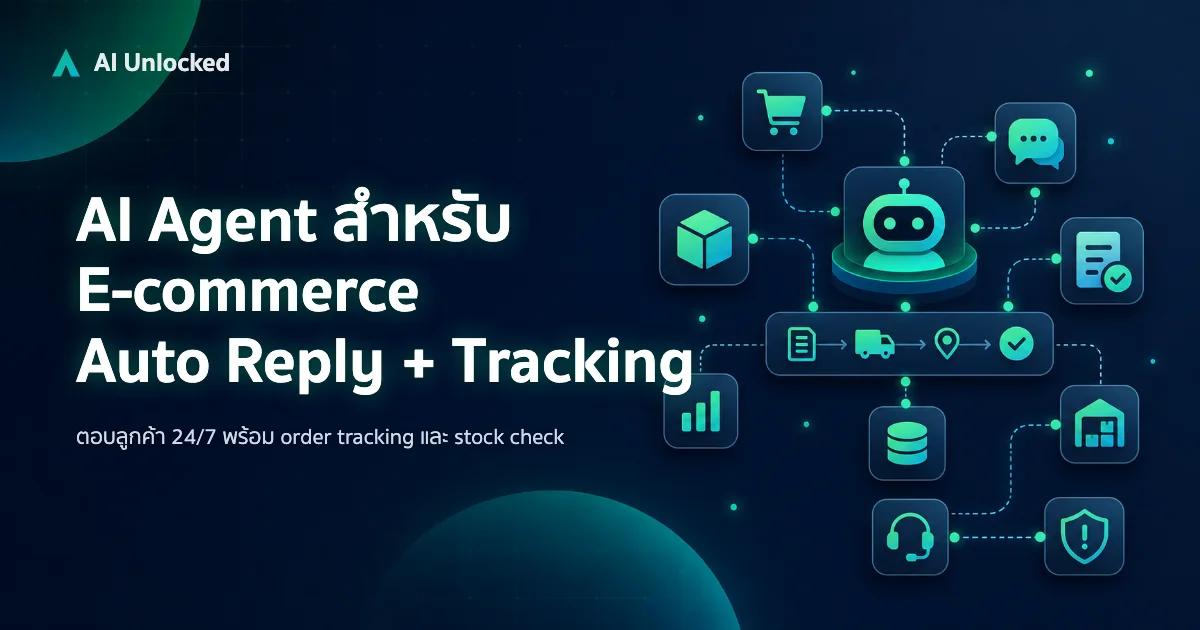
AI Agent สำหรับ E-commerce — Auto Reply + Order Tracking
AI Agent ecommerce ตอบลูกค้า 24/7 บน Shopee, Lazada, Line, FB — ครอบคลุม order tracking, stock check, escalation พร้อม workflow จริง เริ่มต้นได้เลย